The Dangote Refinery was always described as a game-changer for Nigeria. Nobody predicted it would become a lifeline for the entire continent.
When the US and Israel launched Operation Epic Fury on February 28, striking Iran's military infrastructure and closing the Strait of Hormuz to tanker traffic, the immediate conversation was about oil prices, geopolitics and the Middle East. What received less attention was what was happening quietly, urgently, in government offices from Pretoria to Nairobi.
Africa was running out of fuel, and it had very few places left to turn.
According to the International Energy Agency, about 600,000 barrels per day of petroleum products typically destined for Africa from the Middle East are now at risk, as tanker traffic through the Strait of Hormuz has slowed to a trickle. For some countries on the continent, those cargoes do not supplement demand. They effectively are demand.
The Uncomfortable Position Nigeria Finds Itself In
There is an irony in all of this that has not been lost on observers in Lagos. Nigeria, a country that spent decades importing its own petrol back from European refineries, that endured chronic fuel queues under successive administrations, that subsidised pump prices to the tune of billions, now finds itself in the unprecedented position of being the continent's energy anchor.
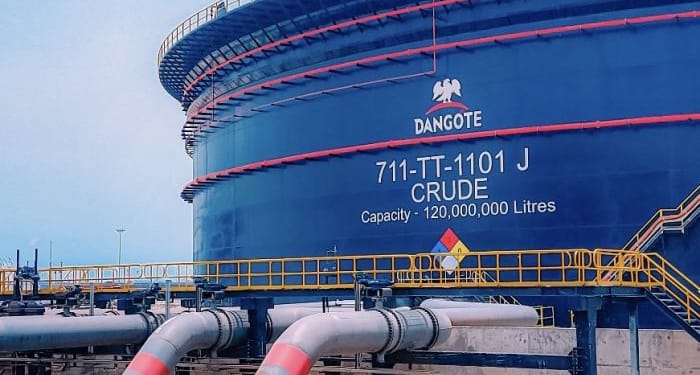
Dangote's refinery is emerging as a rare bright spot. The plant outside Lagos has been ramping up to full capacity since starting operations in 2024. Nigeria is now well positioned to meet domestic fuel demand of about 493,000 barrels a day with surplus volumes available for export. It also holds weeks of stock, giving it a buffer that few other countries on the continent can match.
But the position is not without its own complications. Fuel prices in Nigeria have risen sharply since US-backed attacks on Iran drove a surge in global oil prices, with the Dangote Refinery temporarily suspending the loading of petrol for sale to retailers. The refinery has relied on foreign producers for some of its feedstock, and higher crude oil prices have fed directly into what Nigerians pay at the pump. Dangote has raised its prices more than once since the war began.
For Nigerians who were promised that domestic refining would mean affordable fuel, the sight of prices rising during a global crisis even as their country becomes a supplier to the continent is a difficult thing to explain.
1 Comments
The Uncomfortable Position Nigeria Finds Itself In
There is an irony in all of this that has not been lost on observers in Lagos. Nigeria, a country that spent decades importing its own petrol back from European refineries, that endured chronic fuel queues under successive administrations, that subsidised pump prices to the tune of billions, now finds itself in the unprecedented position of being the continent's energy anchor.
Dangote's refinery is emerging as a rare bright spot. The plant outside Lagos has been ramping up to full capacity since starting operations in 2024. Nigeria is now well positioned to meet domestic fuel demand of about 493,000 barrels a day with surplus volumes available for export. It also holds weeks of stock, giving it a buffer that few other countries on the continent can match.
But the position is not without its own complications. Fuel prices in Nigeria have risen sharply since US-backed attacks on Iran drove a surge in global oil prices, with the Dangote Refinery temporarily suspending the loading of petrol for sale to retailers. The refinery has relied on foreign producers for some of its feedstock, and higher crude oil prices have fed directly into what Nigerians pay at the pump. Dangote has raised its prices more than once since the war began.
For Nigerians who were promised that domestic refining would mean affordable fuel, the sight of prices rising during a global crisis even as their country becomes a supplier to the continent is a difficult thing to explain.