The Dangote Refinery was always described as a game-changer for Nigeria. Nobody predicted it would become a lifeline for the entire continent.
When the US and Israel launched Operation Epic Fury on February 28, striking Iran's military infrastructure and closing the Strait of Hormuz to tanker traffic, the immediate conversation was about oil prices, geopolitics and the Middle East. What received less attention was what was happening quietly, urgently, in government offices from Pretoria to Nairobi.
Africa was running out of fuel, and it had very few places left to turn.
According to the International Energy Agency, about 600,000 barrels per day of petroleum products typically destined for Africa from the Middle East are now at risk, as tanker traffic through the Strait of Hormuz has slowed to a trickle. For some countries on the continent, those cargoes do not supplement demand. They effectively are demand.
For years, Aliko Dangote's $21 billion refinery on the Lekki Peninsula was treated with a mixture of admiration and scepticism. It was the largest single private investment in African history. It was also, depending on who you asked, perpetually behind schedule, perpetually over-budget and perpetually about to change everything without quite doing so.
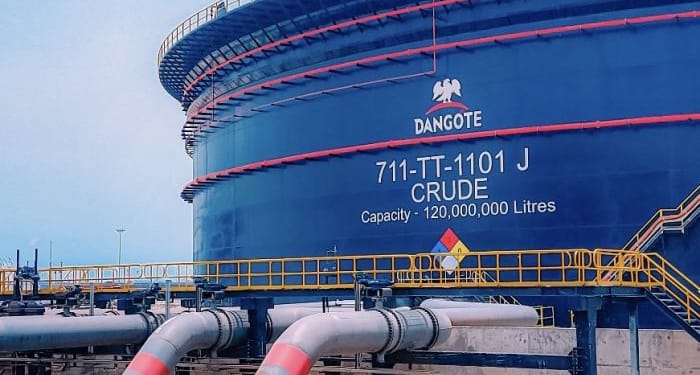
Then it started running. The 650,000-barrel-per-day facility reached full designed capacity in February 2026, making it one of the largest refineries in the world. It ended Nigeria's decades-long absurdity of being a major oil producer that imported its own refined fuel. It became a price determiner in the domestic market. And now, as the Middle East burns, it has become something else entirely, a critical fuel lifeline for nations scrambling to keep their economies moving.
Dangote Petroleum Refinery and Petrochemicals has been approached by South Africa and other governments in the region, as well as from countries outside the continent, a company executive said. Ghana and Kenya have also approached the company for supplies.
Dangote himself, in an interview with The Economist, was characteristically direct. "Right now it is not about pricing, it's about availability," he said. "I think the situation will continue for a while."
1 Comments
The Refinery Nobody Took Seriously Enough
For years, Aliko Dangote's $21 billion refinery on the Lekki Peninsula was treated with a mixture of admiration and scepticism. It was the largest single private investment in African history. It was also, depending on who you asked, perpetually behind schedule, perpetually over-budget and perpetually about to change everything without quite doing so.
Then it started running. The 650,000-barrel-per-day facility reached full designed capacity in February 2026, making it one of the largest refineries in the world. It ended Nigeria's decades-long absurdity of being a major oil producer that imported its own refined fuel. It became a price determiner in the domestic market. And now, as the Middle East burns, it has become something else entirely, a critical fuel lifeline for nations scrambling to keep their economies moving.
Dangote Petroleum Refinery and Petrochemicals has been approached by South Africa and other governments in the region, as well as from countries outside the continent, a company executive said. Ghana and Kenya have also approached the company for supplies.
Dangote himself, in an interview with The Economist, was characteristically direct. "Right now it is not about pricing, it's about availability," he said. "I think the situation will continue for a while."